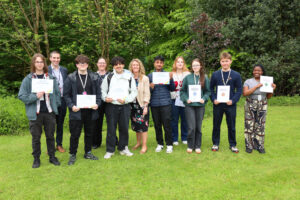




Students visit Blackpool Zoo and the University of Cumbria as part of the ‘Future Zoo’ project
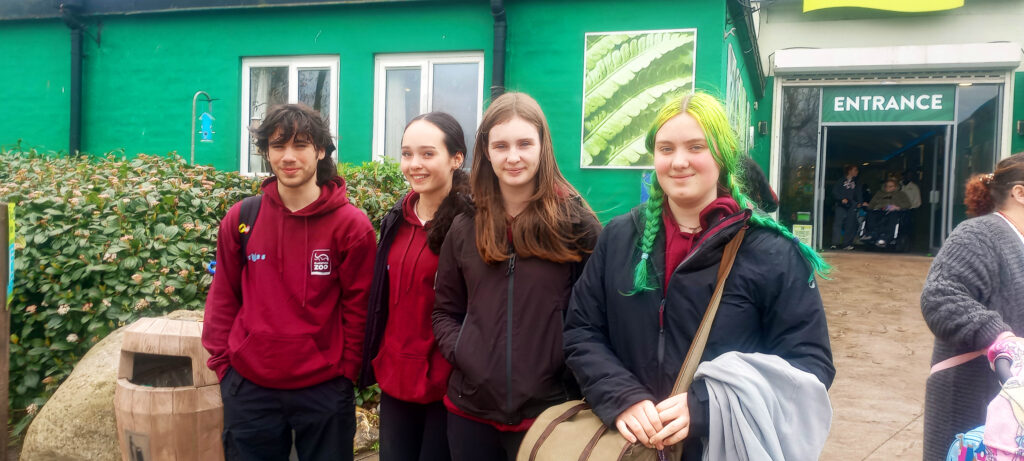
Four students recently embarked on educational visits as part of the “Future Zoo” project, a programme designed to give students hands-on experience in animal care and conservation.
The initiative includes visits to Blackpool Zoo, the University of Cumbria, and the University of Lancashire, offering participants a broad insight into the world of zoology and wildlife protection. During their day at Blackpool Zoo, our students gained valuable knowledge about animal welfare and husbandry, learning directly from experienced zoo staff about the daily care required to maintain healthy, enriched environments for a wide range of species. A key focus of the visit was conservation, with discussions highlighting how the illegal trade in animal products continues to pose a serious threat to wildlife across the globe.
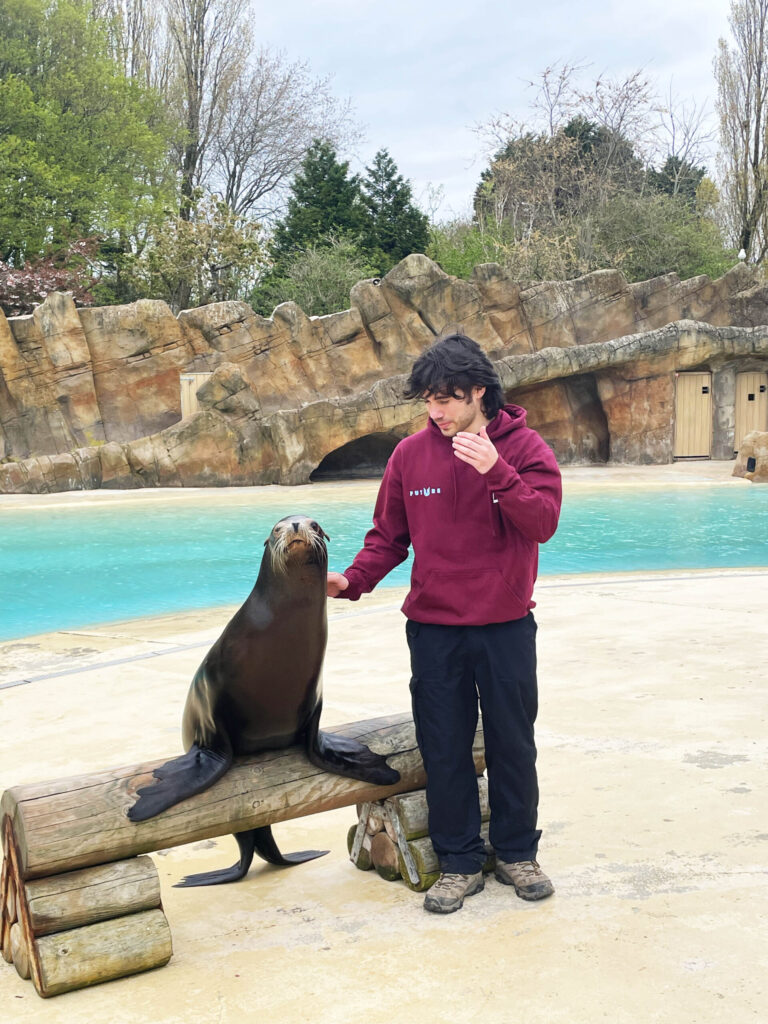
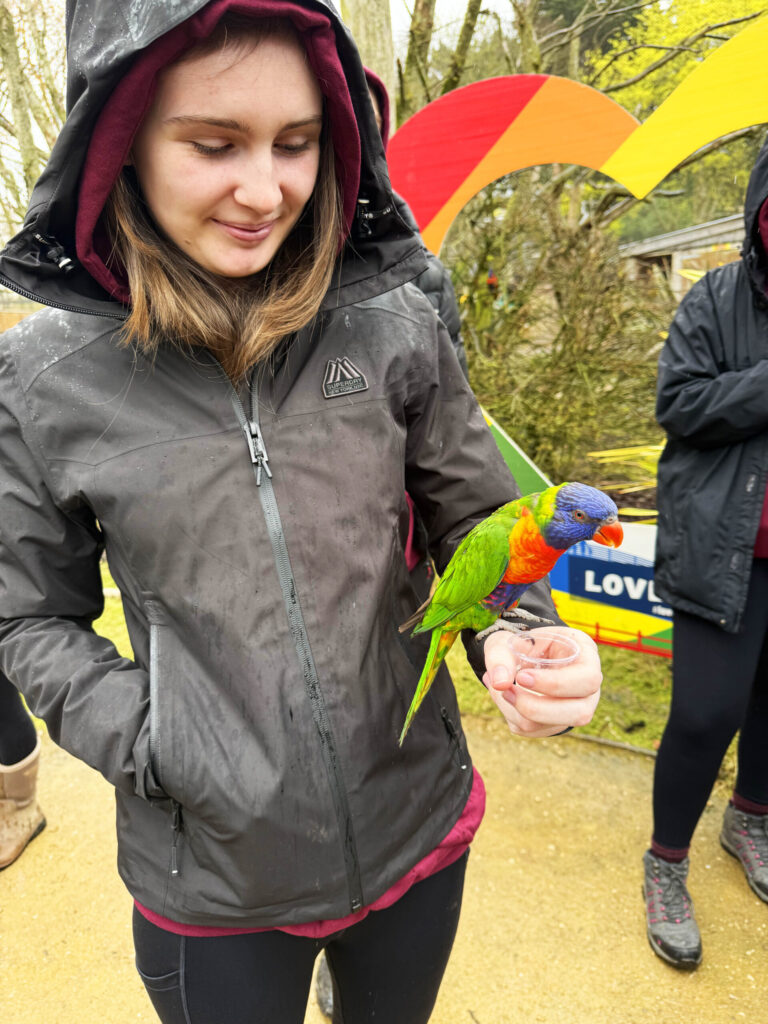
The students also took part in a variety of practical activities, giving them a true behind-the-scenes experience. These included cleaning out the wallaby enclosure, counting the wallabies as part of daily monitoring, feeding the camels and lorikeets, and even the opportunity to stroke sea lions. One of the highlights of the trip was an exclusive backstage view of the elephant enclosure, providing a rare glimpse into the care and management of one of the zoo’s largest residents.
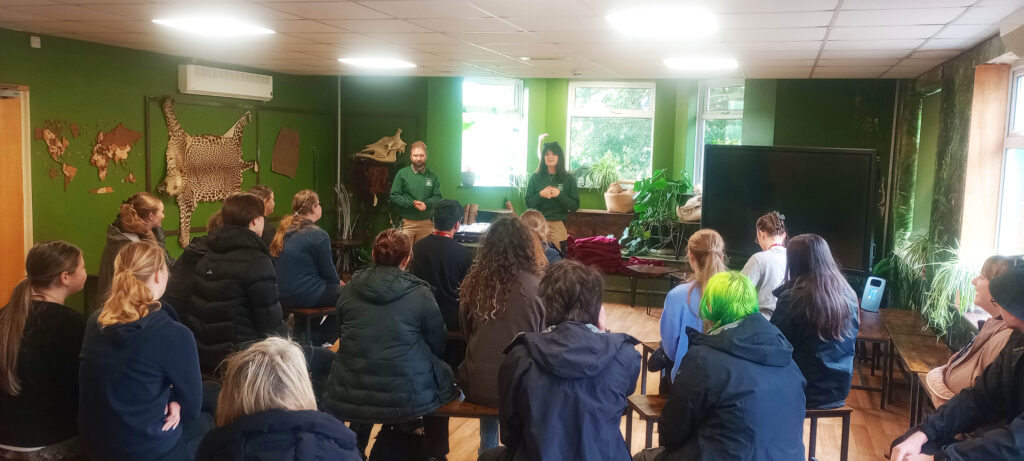
Our students also visited the University of Cumbria, in which they were introduced to their range of courses, with a particular focus on the Wildlife Media programme. They attended an engaging lecture, exploring how media plays a vital role in wildlife conservation and education. The group also took part in a lesson on bird flight, where they learned how wing morphology influences different flight patterns. Through a hands-on activity, they identified various flight styles by examining wing shapes, helping to link theory with real-world observation.
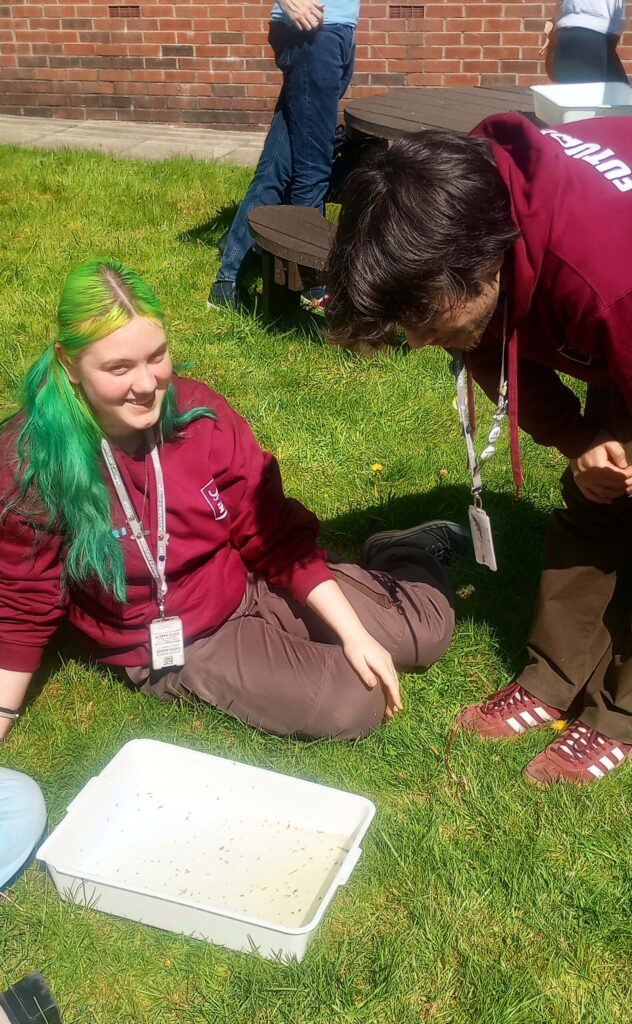
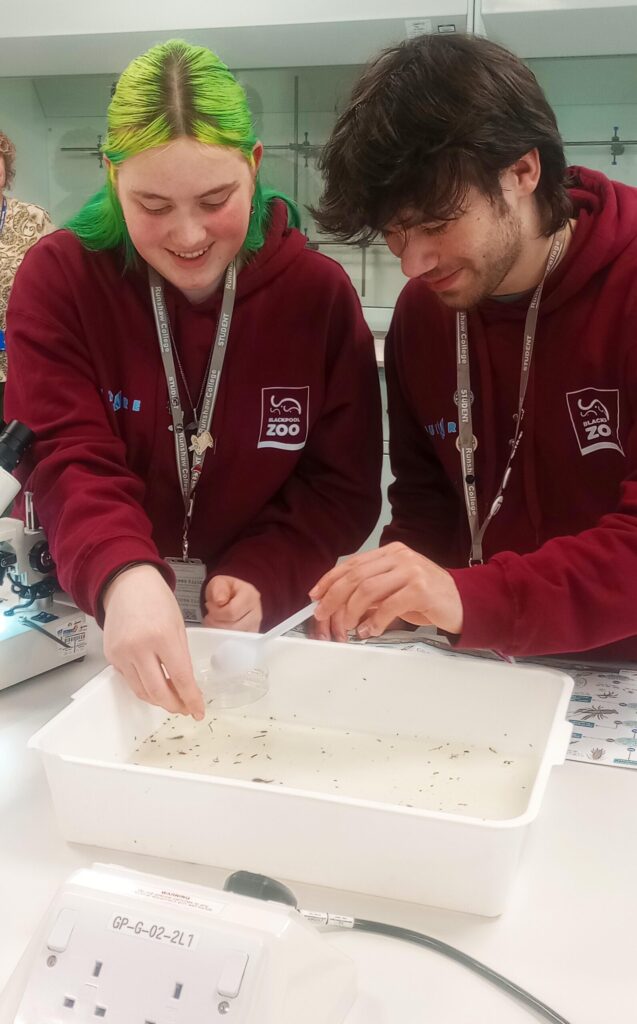
Another highlight of the day was a lecture delivered by a PhD student researching bioacoustics in killer whales. The session explored how studying whale communication can contribute to improving welfare standards for orcas in captivity, offering a fascinating insight into current scientific research. Students also headed outdoors for a pond dipping activity, where they collected and identified a variety of aquatic organisms.
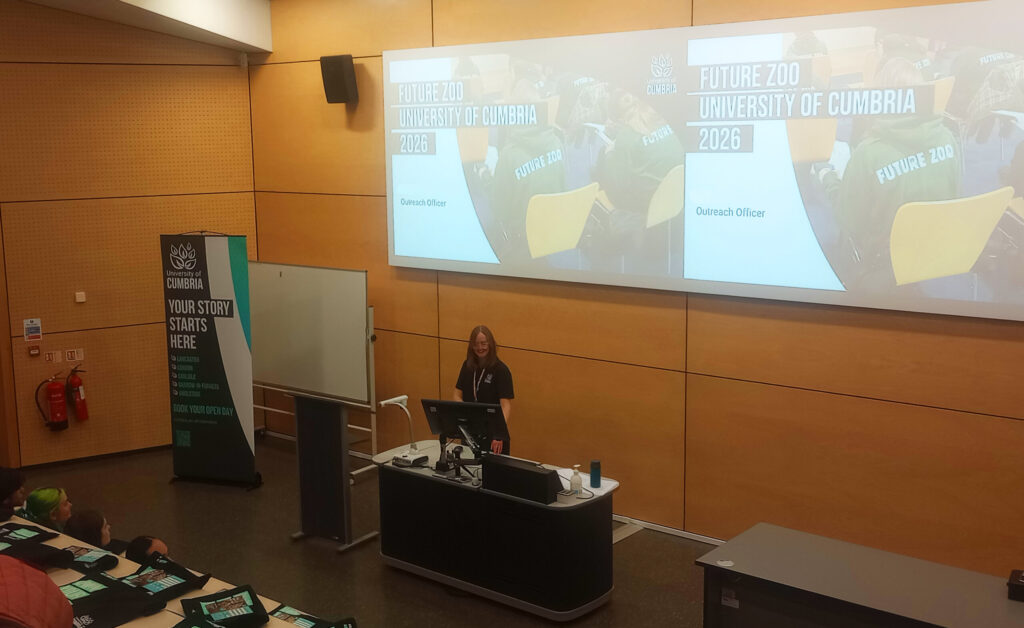
The visits offered a unique blend of education and hands-on experience, reinforcing the importance of conservation efforts and responsible animal care. A big thank you to Future Zoo, the University of Cumbria and Blackpool Zoo for providing such engaging and inspiring events for our students.
Published by: MU